
Technology September 13, 2026
Shopping has become woven into everyday life. Groceries, household items, gifts, and personal essentials are often just a few clicks away, which makes convenience feel effortless. Yet convenience can also lead to rushed choices, forgotten subscriptions, or purchases that do not quite hit the mark. Amazon sits at the centre of this daily shopping rhythm for many people, offering scale, speed, and variety that shape how everyday shoppers approach buying decisions.
For general shoppers, the goal is rarely to master every feature or chase perfection. It is about finding what is needed quickly, confidently, and without unnecessary stress. Understanding how to shop with a bit more intention can turn routine orders into smoother experiences and help people feel more in control of their spending and choices.
TL;DR
Everyday shopping feels more satisfying when small habits guide better decisions, and Amazon offers tools and options that help shoppers save time, compare choices, and shop with more confidence when used thoughtfully.
Browsing Without Feeling Overwhelmed
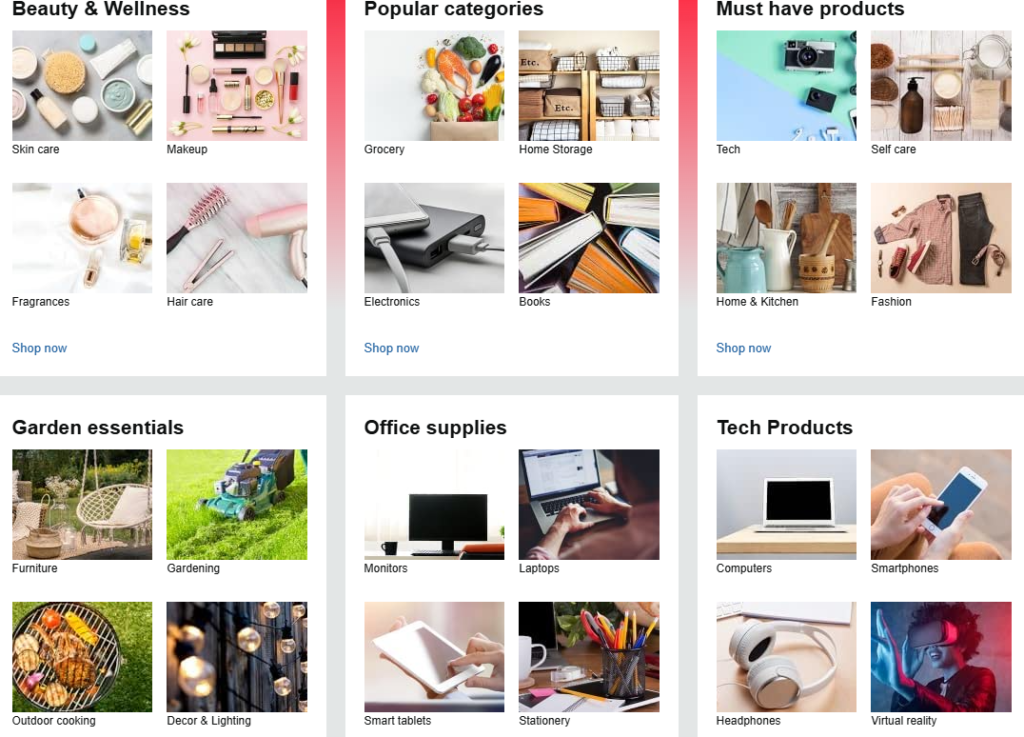
One of the most common challenges for everyday shoppers is choice overload. Thousands of similar items can make simple purchases feel complicated. Approaching browsing with a clear idea of what matters most can reduce this friction. Filters and categories help narrow options quickly. Instead of scrolling endlessly, shoppers who focus on key needs like size, function, or price range often reach decisions faster. Reading product descriptions carefully also helps avoid assumptions based on images alone.
Search results often surface sponsored listings first, which means pausing to explore alternatives can reveal better value or more suitable options. Taking a moment to compare a few similar items usually saves time later by reducing the need for returns or replacements.
Reviews as a Practical Shopping Tool

Reviews play a central role in everyday shopping decisions. For many people, they provide reassurance and real-world context that product descriptions cannot fully convey. Learning how to read reviews effectively can make them far more useful.
Instead of focusing only on star ratings, scanning recent reviews helps highlight consistent patterns. Comments about durability, sizing, or ease of use often reveal whether a product suits everyday needs. Photos shared by other shoppers can also provide clarity about colour, scale, and quality.
It is also helpful to read a mix of positive and critical feedback. Balanced reviews often give the clearest picture, helping shoppers decide whether a drawback is minor or a dealbreaker.
Making the Most of Convenience
Convenience is one of the main reasons people return to Amazon for everyday purchases. Features like saved addresses, payment methods, and order history reduce friction and speed up repeat buying. Used thoughtfully, these tools support efficiency rather than impulse.
Reordering frequently used items saves time and mental energy. Checking order history allows shoppers to confirm what worked well before and avoid repeating purchases that disappointed. Delivery estimates also help with planning, especially for time-sensitive needs.
For everyday shoppers, convenience works best when paired with a quick review before checkout. A short pause to confirm quantity, delivery date, and total cost helps prevent small mistakes that add up over time.
Finding Value Without Chasing Every Deal
Saving money does not always mean finding the lowest price. Value comes from purchasing items that last, perform well, and suit real needs. Amazon offers multiple ways to assess value beyond simple discounts.
Comparing similar products across different brands often highlights meaningful differences in materials, warranties, or customer support. Bundles and multipacks can offer savings for frequently used items, while price tracking tools help identify whether a deal is genuinely worthwhile.
For everyday shoppers, avoiding rushed purchases often leads to better outcomes. Waiting a day before buying non-essential items can reduce impulse spending and improve satisfaction with final choices.
Managing Orders and Returns With Ease

Returns are part of online shopping, and understanding the process makes them far less frustrating. Clear return windows, printable labels, and drop-off options simplify the experience when something does not work out.
Checking return policies before purchasing helps set expectations, especially for clothing, electronics, or higher-value items. Keeping packaging until satisfaction is confirmed makes returns easier if needed.
Order tracking and delivery updates also support peace of mind. Knowing when items will arrive allows shoppers to plan around deliveries and reduce missed packages.
A Few Everyday Shopping Habits That Help
- Reading recent reviews offers more relevant insight than relying on ratings alone
- Using filters narrows choices and reduces decision fatigue
- Checking order history helps repeat successful purchases
- Pausing before checkout prevents impulse buying
- Reviewing return policies avoids surprises later
Shopping With Confidence Over Time

Everyday shopping improves with familiarity. As shoppers learn which brands, categories, and features work best for them, decisions become faster and more confident. Amazon supports this learning curve by storing preferences, past purchases, and recommendations that adapt over time.
Confidence also comes from understanding personal priorities. Some shoppers value speed above all else, while others prioritise durability or price. Clarifying these priorities helps guide choices without second-guessing.
Over time, small adjustments in how people browse, compare, and review purchases can significantly improve the overall experience. Shopping feels less reactive and more intentional, even when buying everyday items.
Everyday Convenience, Used Thoughtfully
Online shopping is not about buying more. It is about buying better, with less effort and more clarity. Amazon remains a central part of everyday shopping for many people because it offers scale and convenience, but the quality of the experience depends on how it is used.
For everyday shoppers, thoughtful habits turn routine orders into smoother, more satisfying experiences. When browsing feels focused, reviews feel useful, and convenience supports real needs, shopping becomes less of a task and more of a helpful part of daily life.